עיון | מפלצות מדברות- הרצאה מאת ד"ר זהר אלמקייס
סיום:20:30 05.04.2026
אנו מתנצלים, בעקבות תקלה בחברת הסליקה לא ניתן לבצע תשלום כעת. עמכם הסליחה


תשלום מזומן

מספר הזמנה:
מספר הזמנה:

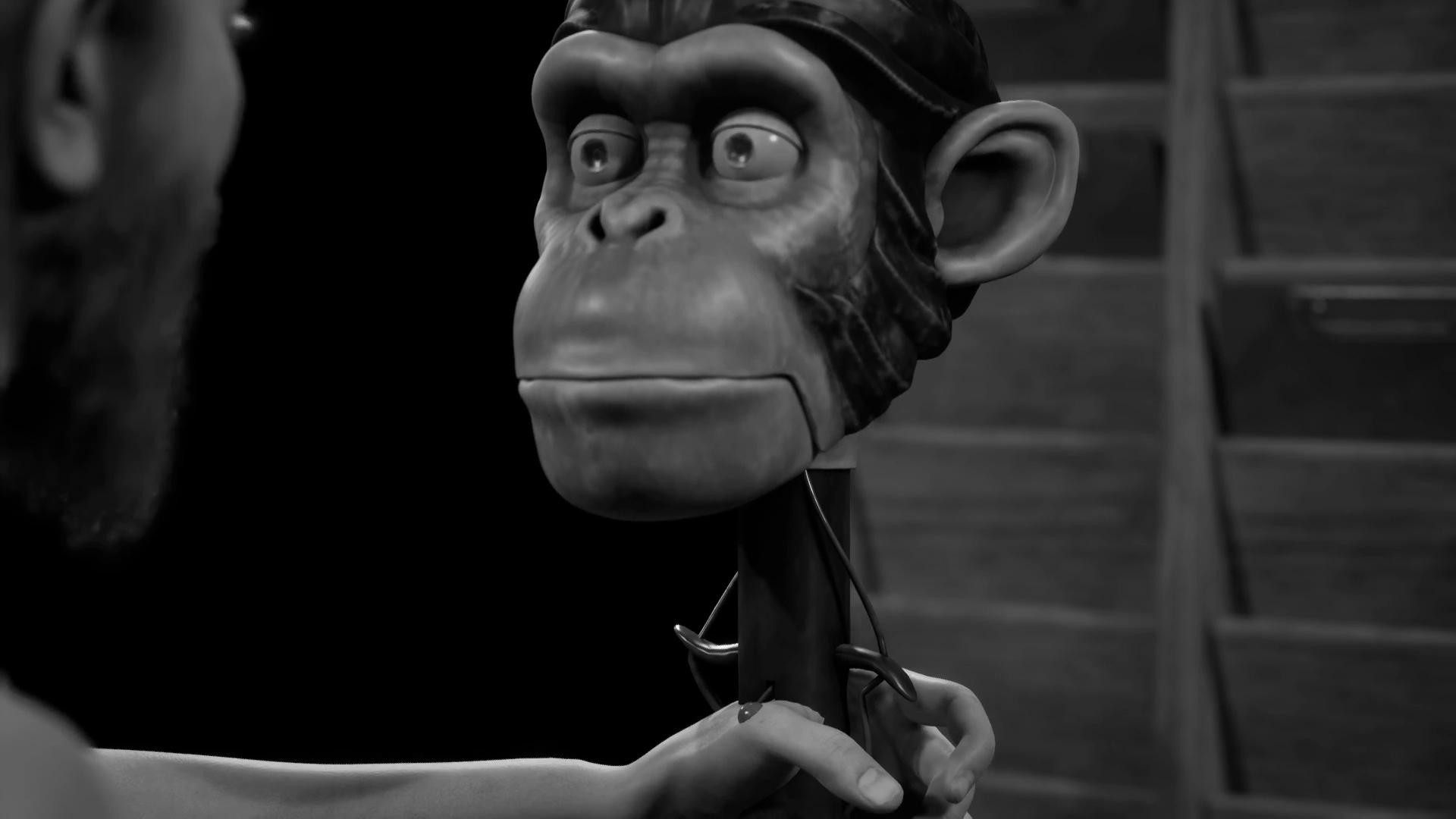
ב-1917 כתב קפקא את דין וחשבון לאקדמיה, הרצאה מפיו של קוף-אדם שניצוד והפך, על מנת לשרוד בקרב בני אדם, יותר ויותר אנושי. כעת, מתוך אנושיותו, הוא מדבר אל אנשי האקדמיה שהתכנסו לשמוע דו"ח על חייו. 102 שנה מאוחר יותר עומד פול ב. פרסיאדו, מהפילוסופים הרדיקליים והמעניינים של זמננו, מול אלפי פסיכואנליטיקאים בפריז ומדבר אליהם מתוך גוף ותודעה של אדם טרנס, המוגדרים בפיהם כבעיה נפשית. הסיפור של קפקא הופך בפיו לדימוי לעמדתו ולאמצעי מקורי לביסוס טיעוניו החריפים. בגלגול חיים שלישי, במסגרת התערוכה ״דין וחשבון״, האמן אמיר יציב מפיח חיים וירטואליים בדמותו של הקוף הקפקאי פיטר המוצג לנו, הקהל המתמחה באנושיות.
מה בין שלוש המפלצות המדברות הללו? כיצד אקט הדיבור משמש בערבוביה להעמדת גבולות חריפים בין האנושי לחייתי, ולהרס מרדני של אותם הגבולות ממש? מה ניתן ללמוד מדבריו של מי שנאסר עליו לדבר? ואיך מדברים, כשלא אמורים?
ד״ר זהר אלמקייס היא אנתרופולוגית וסופרת, עמיתת פוסט-דוקטורט במכון ון ליר והוגת הבית של המרכז לאמנות עכשווית תל אביב-יפו.
----
In 1917, Franz Kafka wrote A Report to an Academy, a lecture from the mouth of a captured ape who became increasingly human, to survive among humans. Now, from within his humanity, he speaks back before a scientific conference. 102 years later, Paul B. Preciado, one of the most radical and interesting philosophers of our time, stands before thousands of psychoanalysts in Paris and speaks to them from within the body and consciousness of a trans person, defined by them as a mental illness. Preciado turns Kafka’s story into a metaphor for his position, and an original means to formulate his argumentations. In a third incarnation, as part of the exhibition "A Report," artist Amir Yatziv breathes virtual life into the image of the Kafkaesque ape Peter, presented to us, the audience specializing in humanity.
What connection can be made between these three talking monsters? How does the act of speech serve to establish sharp boundaries between the human and the animal, and at the same time defiantly destroy them? What can we learn from the words of someone whose speech is forbidden? And how do we speak, when we are not supposed to?
Dr. Zohar Elmakias is an anthropologist and writer, a postdoctoral fellow at the Van Leer Jerusalem Institute, and the resident thinker at the Center for Contemporary Art.
ב-1917 כתב קפקא את דין וחשבון לאקדמיה, הרצאה מפיו של קוף-אדם שניצוד והפך, על מנת לשרוד בקרב בני אדם, יותר ויותר אנושי. כעת, מתוך אנושיותו, הוא מדבר אל אנשי האקדמיה שהתכנסו לשמוע דו"ח על חייו. 102 שנה מאוחר יותר עומד פול ב. פרסיאדו, מהפילוסופים הרדיקליים והמעניינים של זמננו, מול אלפי פסיכואנליטיקאים בפריז ומדבר אליהם מתוך גוף ותודעה של אדם טרנס, המוגדרים בפיהם כבעיה נפשית. הסיפור של קפקא הופך בפיו לדימוי לעמדתו ולאמצעי מקורי לביסוס טיעוניו החריפים. בגלגול חיים שלישי, במסגרת התערוכה ״דין וחשבון״, האמן אמיר יציב מפיח חיים וירטואליים בדמותו של הקוף הקפקאי פיטר המוצג לנו, הקהל המתמחה באנושיות.
מה בין שלוש המפלצות המדברות הללו? כיצד אקט הדיבור משמש בערבוביה להעמדת גבולות חריפים בין האנושי לחייתי, ולהרס מרדני של אותם הגבולות ממש? מה ניתן ללמוד מדבריו של מי שנאסר עליו לדבר? ואיך מדברים, כשלא אמורים?
ד״ר זהר אלמקייס היא אנתרופולוגית וסופרת, עמיתת פוסט-דוקטורט במכון ון ליר והוגת הבית של המרכז לאמנות עכשווית תל אביב-יפו.
----
In 1917, Franz Kafka wrote A Report to an Academy, a lecture from the mouth of a captured ape who became increasingly human, to survive among humans. Now, from within his humanity, he speaks back before a scientific conference. 102 years later, Paul B. Preciado, one of the most radical and interesting philosophers of our time, stands before thousands of psychoanalysts in Paris and speaks to them from within the body and consciousness of a trans person, defined by them as a mental illness. Preciado turns Kafka’s story into a metaphor for his position, and an original means to formulate his argumentations. In a third incarnation, as part of the exhibition "A Report," artist Amir Yatziv breathes virtual life into the image of the Kafkaesque ape Peter, presented to us, the audience specializing in humanity.
What connection can be made between these three talking monsters? How does the act of speech serve to establish sharp boundaries between the human and the animal, and at the same time defiantly destroy them? What can we learn from the words of someone whose speech is forbidden? And how do we speak, when we are not supposed to?
Dr. Zohar Elmakias is an anthropologist and writer, a postdoctoral fellow at the Van Leer Jerusalem Institute, and the resident thinker at the Center for Contemporary Art.
שגיאה
שגיאה
הודעה
החלף שפה
תודה על פנייתך!
תודה על פנייתך!
מידע נוסף על סוג כרטיס